Multi-Cloud Data, AI & DevOps Engineering Course (3 Months)
12-week job-oriented program: Python, SQL, AWS + Azure data engineering, PySpark, Glue, ADF, Databricks, DevOps, Terraform, ML, RAG, Azure AI Foundry and Agentic AI. Classroom (Ameerpet) + online.
Multi-Cloud Data, AI & DevOps Engineering is Cloudsoft Solutions' 3-month, job-oriented program in Hyderabad (classroom and online). In 12 weeks you go from Python and SQL foundations to production-style data platforms on AWS and Azure — S3, AWS Glue, PySpark, Azure Data Factory, ADLS Gen2, Databricks and Delta Lake — and then add DevOps (Git, CI/CD, Terraform, Docker, Kubernetes), machine learning and MLOps, GenAI with RAG and Azure AI Foundry, and Agentic AI for data engineering.
Program at a glance
- Duration: 12 weeks (3 months), structured end-to-end roadmap
- Learning time: about 180–220 hours of concepts, labs and projects
- Portfolio: 12+ hands-on projects
- Clouds: AWS + Azure, with DevOps and AI integrated throughout
- Mode: classroom (Ameerpet, Hyderabad) and live online
Who this course is for
- Freshers and graduates aiming for data engineering, cloud or AI engineering roles
- Software, SQL, ETL and BI professionals moving to cloud data engineering
- Cloud and DevOps engineers who want data and AI skills
- Python developers preparing for PySpark, Glue, ADF and Databricks work
Program vision
This is not a basic cloud or data-engineering course. You progress from programming and data foundations into production-style cloud platforms, DevOps automation, ML, GenAI and autonomous data-engineering agents.
Data engineering
- Python + SQL
- ETL / ELT
- Data lakes and warehouses
- PySpark and Delta Lake
- AWS Glue and Azure Data Factory
- Data quality and governance
Cloud engineering
- AWS architecture
- Azure architecture
- IAM / Entra ID / RBAC
- Networking fundamentals
- Serverless
- Observability and cost optimization
DevOps + AI
- Git and GitHub
- CI/CD
- Docker and Kubernetes foundations
- Terraform / IaC
- ML and MLOps
- Azure AI Foundry + Agentic AI
12-week multi-cloud data engineering curriculum
Every week combines architecture, implementation, troubleshooting, security, cost, project work and interview preparation.
Week 1: Cloud + Data Engineering + Python Foundations
Build the programming and architecture foundation
Modern Data Engineering
- Data Engineer vs Data Scientist vs ML Engineer vs AI Engineer
- Data lifecycle: source → ingestion → lake → processing → warehouse → analytics → AI
- Structured, semi-structured, unstructured, batch and streaming data
- ETL vs ELT; data lake vs warehouse vs lakehouse
- CSV, JSON, XML, Parquet, Avro, ORC
Python Core
- Variables, data types, conditions, loops, functions
- List, tuple, set, dictionary and comprehensions
- Modules, packages, virtual environments
- OOP, inheritance, decorators, generators and context managers
- Exception handling, logging, configuration and testing
SQL Foundations
- SELECT, filtering, grouping, aggregation
- Joins, subqueries, CTEs and CASE
- Window functions: ROW_NUMBER, RANK, LEAD, LAG
- Deduplication and incremental loading
- Facts, dimensions, star schema and SCD concepts
Hands-on labs
- API → Python → JSON → local data lake
- Reusable Python ingestion scripts
- SQL sales analytics mini-project
- Git repository and professional project structure
Week 2: Advanced Python + SQL + Data Processing
Prepare Python for real data pipelines
Pandas + NumPy
- DataFrames: filtering, grouping, merge, join, pivot and aggregation
- Missing values, duplicates, outliers and type conversion
- CSV, JSON, Excel and Parquet
- Vectorization and numerical operations
Production ingestion
- REST APIs, JSON parsing and pagination
- Authentication and environment variables
- Retries, timeouts, logging and exception handling
Enterprise SQL
- Advanced joins and window functions
- SCD Type 1 and Type 2
- Incremental loads and watermark logic
- Query performance and indexing concepts
Mini project
- API-based customer/order ingestion platform
- Clean and validate records
- Generate Parquet datasets
- Document schema and data dictionary
Week 3: AWS Cloud + S3 Data Lake + Analytics
Build the AWS data foundation
AWS fundamentals
- Regions, Availability Zones and shared responsibility
- IAM users, groups, roles, policies and least privilege
- VPC, subnets, route tables, security groups and networking overview
Amazon S3
- Buckets, objects, prefixes and storage classes
- Versioning, lifecycle and encryption
- Bucket policy vs IAM policy
- Raw / processed / curated lake design
Athena + Redshift concepts
- Serverless SQL over S3
- External tables, partitions and Parquet
- Warehouse concepts and analytical workloads
Project: AWS data lake
- API → S3 landing → raw → processed → curated
- Athena queries and partition optimization
- CloudWatch monitoring and CloudTrail auditing
Week 4: Azure Cloud + ADLS + Data Factory
Build the Azure data platform
Azure foundations
- Regions, availability zones, subscriptions and resource groups
- Microsoft Entra ID, RBAC, managed identities and service principals
- Azure Storage and ADLS Gen2
- Containers, folders, ACLs and data access
Azure Data Factory
- Linked services, datasets and pipelines
- Copy Activity, Lookup, ForEach, If Condition
- Parameters, variables and expressions
- Integration Runtime
- Schedule, event and tumbling-window triggers
Operations
- Pipeline monitoring
- Retries and failure handling
- Azure Monitor and Log Analytics concepts
Project: Azure ingestion platform
- API/source → ADF → ADLS Gen2
- Incremental loading using watermark logic
- Parameter-driven pipelines
- Secure access with managed identity
Week 5: PySpark + Apache Spark + AWS Glue
Enterprise-scale distributed data processing
Spark architecture
- Driver, executors, tasks, jobs and stages
- Transformations vs actions
- DataFrames, schemas and Spark SQL
- Partitions and shuffle
PySpark engineering
- select, filter, withColumn, groupBy, join and agg
- Window functions
- Broadcast joins and sort-merge joins
- Repartition vs coalesce
- Cache and persist
AWS Glue
- Glue Data Catalog, databases, tables and crawlers
- Glue jobs and PySpark ETL
- DynamicFrames and DataFrames
- Job bookmarks, triggers, workflows and parameters
Project: Glue ETL
- S3 → Glue Crawler → Catalog → Glue PySpark
- Clean, join, transform and aggregate
- Write partitioned Parquet
- Query results using Athena
Week 6: Advanced PySpark + Databricks + Delta Lake
Build high-performance lakehouse pipelines
PySpark performance
- Partitioning and partition pruning
- Predicate pushdown
- Broadcast strategy
- Data skew, hot keys and salting
- Small-file problem and file optimization
Databricks lakehouse
- Workspace, compute, notebooks and jobs
- Cluster concepts and libraries
- PySpark production notebooks
Delta Lake
- ACID transactions
- Schema enforcement and evolution
- MERGE, UPDATE and DELETE
- Time travel
- Bronze → Silver → Gold architecture
Project: lakehouse
- ADLS/S3 → Bronze → Silver → Gold
- Incremental MERGE
- Data-quality validation
- Performance tuning and cost review
Week 7: Serverless + Event-Driven Data Engineering
Build automated cloud-native pipelines
Lambda + events
- Lambda functions, handlers, layers and environment variables
- IAM execution roles
- Cold starts, timeout and concurrency concepts
- S3 events and EventBridge
SQS + SNS
- Queues and consumers
- Visibility timeout
- Dead-letter queues
- Pub/sub and fan-out
Step Functions
- Workflow orchestration
- Retries, catches and state management
- Lambda + Glue orchestration
Project: serverless data platform
- S3 upload → EventBridge → Lambda → SQS → Glue → Athena
- Failure handling and DLQ
- SNS notification
- CloudWatch monitoring
Week 8: DevOps Foundations + Git + Linux + CI/CD
Automate the software and data delivery lifecycle
Linux for cloud engineers
- Files, permissions, users and groups
- Processes, services and networking commands
- SSH, environment variables and shell scripting
- Log analysis and troubleshooting
Git + GitHub
- Repository, commit, branch, merge and rebase concepts
- Pull requests and code reviews
- Conflict resolution
- Professional repository strategy
CI/CD pipeline engineering
- Build → test → package → deploy
- GitHub Actions concepts
- Secrets and environment protection
- Automated Python testing
- Data pipeline deployment automation
Project: CI/CD pipeline
- Git push triggers pipeline
- Lint + unit test + package
- Deploy Lambda/Glue or application artifact
- Approval gate for production
Week 9: Docker + Kubernetes Foundations + Terraform
Infrastructure and application automation
Docker
- Images, containers and registries
- Dockerfile and build layers
- Environment configuration
- Volumes and networking concepts
- Containerize a Python data service
Kubernetes foundations
- Cluster, node and pod
- Deployment, Service and ConfigMap
- Scaling and rolling updates
- Why Kubernetes matters for data/AI platforms
Terraform (Infrastructure as Code)
- Providers, resources, variables and outputs
- State and remote state
- Modules
- Plan, apply and destroy
- Environment separation
Project: IaC + DevOps
- Terraform cloud infrastructure
- GitHub Actions deployment
- Reusable modules
- Dev/test/prod structure
Week 10: Machine Learning + MLOps + AI Data Pipelines
Turn engineered data into production ML systems
Machine learning
- Supervised and unsupervised learning
- Regression, classification and clustering
- Feature engineering and preprocessing
- Train/test split and cross-validation
- Precision, recall, F1, ROC-AUC, MAE, RMSE and R²
ML pipeline
- Data ingestion → cleaning → feature engineering
- Training → evaluation → registry → deployment
- Model versioning and experiment tracking
Production ML (MLOps)
- Model drift and data drift
- Monitoring and retraining concepts
- Batch vs online inference
- ML platform architecture
Project: customer churn ML platform
- Cloud data lake → PySpark feature engineering
- Train, evaluate and version the model
- Generate predictions and a dashboard
Week 11: GenAI + Azure AI Foundry + RAG
Build enterprise AI applications over data
LLM engineering
- LLM fundamentals, context and tokens
- Prompt engineering and system instructions
- Structured output and tool/function calling
- Embeddings and vector search
Enterprise RAG
- Document ingestion and chunking
- Embeddings and retrieval
- Metadata filtering and hybrid retrieval
- Reranking and citations
- RAG evaluation and security
Azure AI Foundry
- Models and model deployment concepts
- Prompt development and evaluation
- AI application architecture
- Responsible AI and enterprise governance
Project: data engineering copilot
- RAG over pipeline documentation and runbooks
- Answer architecture and troubleshooting questions
- Provide evidence and citations
- Evaluate responses for quality and safety
Week 12: Agentic AI + Multi-Agent Data Engineering + Production Capstone
Build intelligent data-engineering systems
Agentic AI
- Agent vs chatbot
- LLM + instructions + tools + state + memory
- Agent loop: observe → plan → act → observe → validate
- Tool calling and structured actions
- Human-in-the-loop
Specialized data agents
- Data Quality Agent
- Pipeline Operations Agent
- SQL Agent
- Cloud Operations Agent
- Reporting / Incident Agent
Agent security
- Prompt injection and indirect injection
- Tool allowlists and least privilege
- Secrets protection and data leakage prevention
- Human approval for destructive actions
- Audit logging and observability
Flagship: multi-cloud agentic data platform
- AWS + Azure + PySpark + Glue + ADF + Databricks
- ML + RAG + Azure AI Foundry
- AI agents investigate failed pipelines and data-quality issues
- DevOps CI/CD + Terraform + monitoring
DevOps track — integrated across the course
DevOps is not a separate final module. You apply version control, automation, IaC, CI/CD, containers, monitoring and security to your data and AI projects.
- Source control: Git, branching strategy, pull requests, code review
- CI/CD: GitHub Actions, build and test, artifacts, environment promotion, approval gates
- Infrastructure as Code: Terraform variables, outputs, modules, remote state, multi-environment
- Containers: Docker, Dockerfile, image optimization, registries
- Kubernetes: pods, deployments, services, ConfigMaps, scaling and rolling updates
- DevSecOps: secrets, least privilege, dependency/security checks, audit logs, production approvals
Reference architecture
The final architecture connects cloud data engineering, DevOps, ML, GenAI and agents.
DATA SOURCES / APIS / APPLICATIONS
- AWS: S3 → Glue / Lambda → PySpark → Athena / Redshift
- Azure: ADLS → ADF → Databricks → Delta Lake / Synapse
- → DATA QUALITY LAYER
- → ML (MLOps pipeline) + GenAI / RAG (Azure AI Foundry)
- → AGENT ORCHESTRATION: Data Quality · Pipeline · SQL · Cloud agents
- → TOOL LAYER (AWS + Azure + Python + SQL + APIs + logs)
- → HUMAN APPROVAL → PRODUCTION ACTION
- → OBSERVABILITY + AUDIT + SECURITY
DevOps across all layers: Git → GitHub → CI/CD → Terraform → Docker → Kubernetes → testing → security → deployment → monitoring
12 portfolio projects
You finish with demonstrable projects, not only certificates or console exercises.
- Python data engineering pipeline — REST API → Python → validation → Parquet → cloud storage
- Enterprise SQL warehouse — Facts, dimensions, SCD, incremental loads and analytical queries
- AWS data lake — S3 raw → processed → curated → Athena analytics
- AWS Glue + PySpark — Glue Catalog → crawler → PySpark transformation → partitioned Parquet
- Azure data platform — ADF → ADLS Gen2 → transformation → analytical layer
- Databricks lakehouse — Bronze → Silver → Gold with Delta Lake and PySpark
- Serverless data platform — S3 → EventBridge → Lambda → SQS → Glue → Athena
- DevOps data pipeline — GitHub → CI/CD → testing → Terraform → cloud deployment
- ML pipeline — Data lake → feature engineering → model → evaluation → prediction
- Enterprise RAG — Data-engineering documentation → retrieval → grounded AI answers
- Data Quality Agent — Detect schema drift, duplicates, freshness and anomalies with AI-assisted analysis
- Flagship multi-cloud agent — AWS + Azure + PySpark + Glue + ADF + Databricks + DevOps + ML + RAG + Agentic AI
Security, observability and production engineering
- AWS security: IAM and least privilege, KMS and encryption, Secrets Manager, S3 security, CloudTrail
- Azure security: Entra ID, RBAC, managed identity, Key Vault, storage ACLs
- Data security: encryption at rest and in transit, data masking, access control, governance
- Observability: CloudWatch, Azure Monitor, Log Analytics, pipeline metrics, alerts and dashboards
- AI security: prompt injection, RAG poisoning, data leakage, tool abuse, excessive agency
- Cost engineering: S3 storage tiers, Glue sizing, Athena optimization, Databricks compute, serverless optimization
Interview and architecture preparation
The course trains you to explain and design systems, not just memorize service definitions:
- Explain ETL vs ELT, Spark driver/executor and Delta Lake
- Design a 10 TB/day data lake, AWS Glue architecture and ADF incremental pipelines
- Troubleshoot PySpark performance and production pipeline failures
- Explain Git branching, CI/CD and Terraform environments
- Containerize a Python service and explain Kubernetes fundamentals
- Design an ML pipeline, a RAG architecture, Azure AI applications and a secure AI agent
- Defend architecture and cost choices
Final outcome
By the end of three months you progress through Python → SQL → Data Engineering → AWS → Azure → PySpark → Glue → ADF → Databricks → Serverless → DevOps → Terraform → Docker → Kubernetes → ML → RAG → Azure AI Foundry → Agentic AI. The flagship outcome is a production-style Multi-Cloud Agentic AI Data Engineering Platform that ingests, processes, validates, analyzes, monitors and intelligently troubleshoots data pipelines across AWS and Azure.
Cloudsoft provides training and placement support; completing the program does not guarantee a job offer.
Frequently asked questions
How long is the Multi-Cloud Data, AI & DevOps Engineering course?
It is a 3-month (12-week) program with about 180–220 hours of concepts, labs and projects.
Which clouds and tools are covered?
AWS (S3, Glue, Lambda, Athena, Redshift concepts) and Azure (ADLS Gen2, Data Factory, Entra ID, AI Foundry), plus Python, SQL, PySpark, Databricks, Delta Lake, Git, CI/CD, Terraform, Docker and Kubernetes.
Do I need prior coding experience?
No. Week 1 starts with Python and SQL foundations, then builds up to PySpark and cloud data platforms.
Is this different from the Multi-Cloud DevOps course?
Yes. This program is centred on data engineering, ML, RAG and agentic AI for data platforms, with DevOps integrated; the Multi-Cloud DevOps course focuses on DevOps and infrastructure.
Is the course available online?
Yes. You can attend in the Ameerpet, Hyderabad classroom or join live online.
How many projects will I build?
12 portfolio projects, ending with a flagship multi-cloud agentic data engineering platform.
Enrol or ask a question
Call or WhatsApp +91-9666019191, or use the contact page. Related programs: Multi-Cloud DevOps 2026 · FDE PRO · APEX AI/ML + Cloud Security.
Related topics
- Multi-Cloud course Hyderabad
- Multi-Cloud training Hyderabad with placement
- Multi-Cloud classroom training Ameerpet
- Multi-Cloud online training India
- Multi-Cloud fees Hyderabad
- Multi-Cloud certification training
- Multi-Cloud weekend batches Hyderabad
- best Multi-Cloud institute Hyderabad
Related tracks from Cloudsoft.
 Course
Citrix Virtual Apps and Desktops + Azure AVD + Intune + Citrix PVS + NetScaler Course 2026
Become a job-ready EUC Engineer in 3 months. Master Citrix Virtual Apps and Desktops (CVAD) 2402 LTSR, Citrix PVS, Citri
 Course
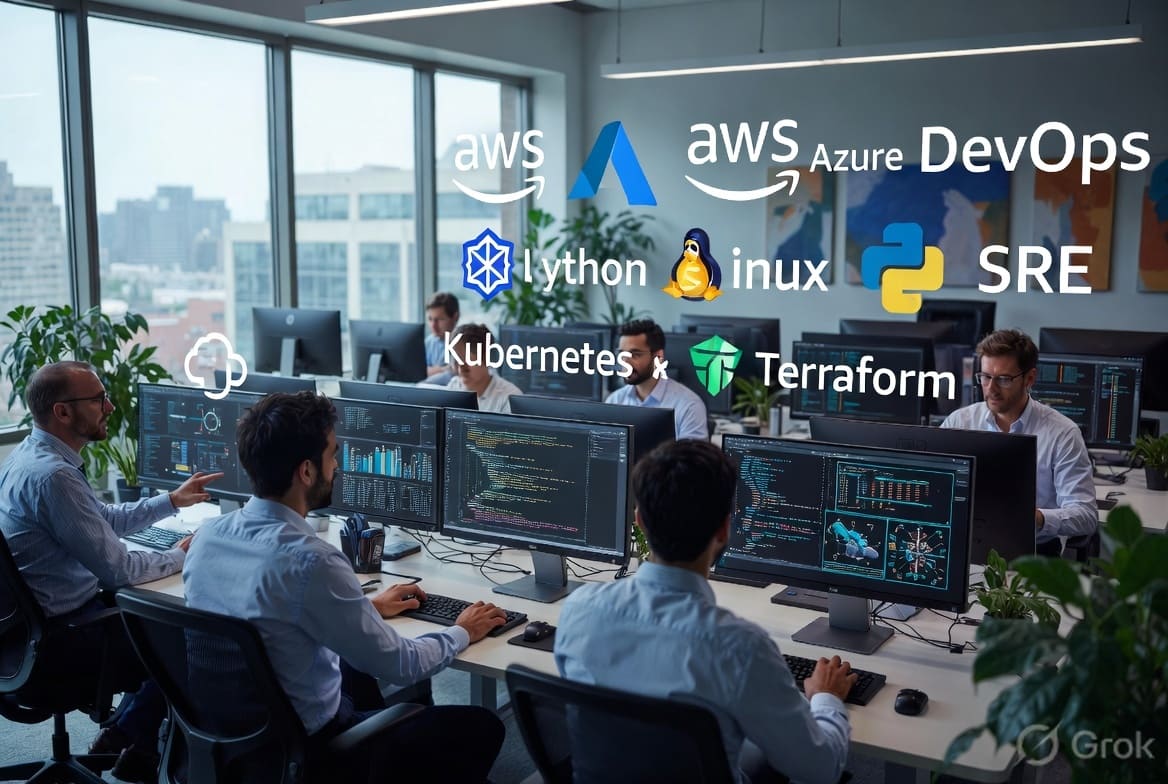
Multi-Cloud DevOps 2026 — AWS + Azure + Kubernetes + Terraform + Python + Linux
Become a job-ready Multi-Cloud DevOps Engineer in 4 months. Master AWS, Azure, Docker, Kubernetes, Terraform, Ansible, G
 Course
Digital Marketing, SEO, SMM with AI Course
Become a job-ready digital marketer in 2 months. Master SEO, SEM, SMM, Email, Analytics & AI-powered marketing (ChatGPT,