The Future of Citrix Virtual Apps and Desktops in 2026: Job Prospects and Essential Skills for Citrix Engineers
Published on www.cloudsoftsol.com | December 19, 2025
In the ever-evolving world of virtualization and desktop-as-a-service (DaaS), Citrix Virtual Apps and Desktops (CVAD) has long been a cornerstone for enterprises seeking secure, flexible application and desktop delivery. As we approach 2026, significant changes are on the horizon, driven by Cloud Software Group’s (CSG) strategic direction, a major licensing shift, and intensifying competition from Microsoft Azure Virtual Desktop (AVD). At CloudSoftSol, we specialize in cloud solutions and virtualization, helping organizations navigate these transitions smoothly.
This blog post explores the job market outlook for Citrix roles in 2026 and outlines the critical skills Citrix engineers need to stay relevant and thrive.
The State of Citrix in 2026: Still Relevant, But Evolving
Citrix, now a business unit under Cloud Software Group following its 2022 acquisition and merger with TIBCO, continues to innovate in secure app delivery, hybrid multi-cloud support, and Zero Trust security. Recent releases (e.g., CVAD 2503 and 2507 LTSR) introduce features like enhanced HDX optimization, image management for various hypervisors, and advanced security capabilities.
However, a pivotal change looms: On April 15, 2026, legacy file-based licensing will end completely. All on-premises CVAD deployments must transition to the cloud-based License Activation Service (LAS). This mandatory shift pushes organizations toward Citrix Cloud or hybrid models, aligning with CSG’s telemetry-driven roadmap for faster innovations.
Citrix remains strong in:
- Multi-cloud and on-premises flexibility (supports Azure, AWS, Google Cloud, VMware, etc.).
- Advanced security and performance for complex environments (e.g., financial services with multi-monitor setups).
- Partnerships with Microsoft, Google, and others for seamless integrations.
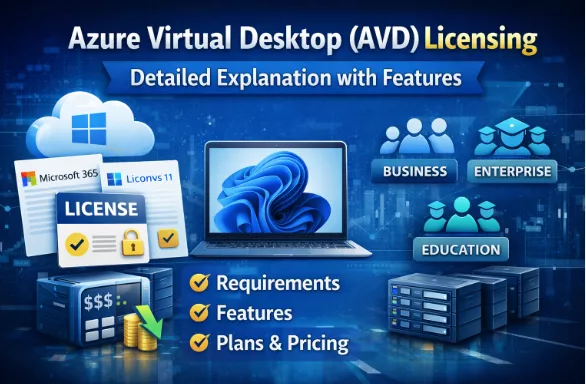
Yet, competition from Microsoft AVD is heating up. AVD offers native Microsoft 365 integration, simpler pricing, and deep Azure ties, making it attractive for Microsoft-centric organizations. Many enterprises are evaluating or migrating to AVD for cost savings and ease of management, especially post-licensing changes.
Job Market Outlook for 2026:
- Pure Citrix administrator roles may decline slightly as organizations consolidate to cloud-managed services or shift to AVD.
- Demand will persist in large enterprises with legacy on-premises setups, regulated industries (e.g., government, finance), and hybrid environments needing Citrix’s advanced features.
- Overall, the virtualization job market is growing (projected 5%+ growth in related IT roles through 2028), but skills in hybrid/multi-cloud will dominate.
- Opportunities for consultants and migration specialists will rise during the 2026 licensing transition.
Citrix isn’t going away—it’s adapting to a cloud-first world. Skilled engineers who embrace this evolution will find ample opportunities.
Key Skills Citrix Engineers Need to Learn in 2026
To future-proof your career, focus on skills that bridge traditional Citrix expertise with modern cloud and competing technologies. Here’s what top Citrix engineers should prioritize:
- Citrix Cloud and DaaS Mastery Shift from on-premises to Citrix DaaS/Citrix Cloud. Learn provisioning, monitoring, and management via the cloud control plane. Understand Autoscale, image management across hypervisors, and integration with Citrix Analytics.
- License Activation Service (LAS) and Telemetry Prepare for the post-April 2026 world: Master LAS setup, compliance, and leveraging telemetry for proactive optimizations.
- Hybrid and Multi-Cloud Deployments Expertise in deploying CVAD on Azure, AWS, Google Cloud, and on-premises. Learn MCS/PVS provisioning in hybrid scenarios and migrations between environments.
- Microsoft Azure Virtual Desktop (AVD) and Windows 365 With increasing competition and Citrix-Microsoft partnerships, dual expertise is essential. Learn AVD provisioning, FSLogix profiles, Microsoft Intune integration, and when to recommend AVD over Citrix.
- Security and Zero Trust Deepen knowledge in HDX optimizations, FIDO2, endpoint security, and integrations like deviceTRUST. Understand Zero Trust Network Access (ZTNA) via Citrix Secure Private Access.
- Automation and Scripting Proficiency in PowerShell, Ansible, Terraform for infrastructure-as-code. Automate deployments, updates, and monitoring to handle scale efficiently.
- Networking and ADC (NetScaler) Advanced skills in Citrix ADC for load balancing, security, and app delivery—critical for performance in distributed environments.
- Monitoring, Analytics, and AI-Driven Insights Use Citrix Monitor, Director, and Analytics for performance tuning. Explore emerging AI features for predictive maintenance.
- Competitive Alternatives Broaden to VMware Horizon, Parallels RAS, or Amazon WorkSpaces for consulting roles.
- Soft Skills and Certifications Strong troubleshooting, communication, and project management. Pursue updated Citrix certifications (e.g., CCA-V, CCP-V) and Microsoft Azure Administrator/AZD-700.
Conclusion: Adapt and Thrive
The future of Citrix Virtual Apps and Desktops in 2026 is one of transformation—more cloud-centric, secure, and integrated. While job prospects for pure on-premises Citrix admins may soften, versatile engineers with cloud, hybrid, and multi-vendor skills will be in high demand.
At CloudSoftSol, we’re helping clients assess their CVAD environments, plan licensing transitions, and explore hybrid/AVD options. If you’re a Citrix engineer looking to upskill or an organization preparing for 2026, contact us for expert guidance.
Stay ahead—invest in these skills today!
Tags: Citrix, Virtualization, DaaS, Azure Virtual Desktop, Cloud Migration, IT Skills 2026
What are your thoughts on Citrix’s future? Share in the comments below!