2026 Fresher Jobs in Software: Learn These Skills Now or Miss Top IT Placements
Landing your first software job in 2026 requires more than just a degree. The IT industry is evolving rapidly, and companies are looking for freshers who bring practical skills, problem-solving abilities, and a growth mindset. Whether you’re a recent graduate or preparing for campus placements, mastering the right skills can set you apart from thousands of other candidates.
This comprehensive guide covers everything you need to know about securing top fresher jobs in software development, the in-demand skills employers seek, and how to position yourself for success in 2026’s competitive job market.
Why 2026 Is a Critical Year for Software Freshers
The technology landscape is experiencing unprecedented growth. Companies across industries are accelerating their digital transformation initiatives, creating massive demand for skilled software professionals. However, the bar for entry-level positions has risen significantly.
Employers are no longer satisfied with theoretical knowledge alone. They want freshers who can contribute from day one, adapt to new technologies quickly, and demonstrate real-world project experience. Understanding this shift is crucial for your career success.
Top Programming Languages Every Fresher Must Know in 2026
Python: The Universal Language
Python continues to dominate as the most versatile programming language for freshers. Its applications span web development, data science, automation, artificial intelligence, and machine learning. Companies value Python developers because the language enables rapid development and has extensive library support.
Start with Python fundamentals including data structures, object-oriented programming, and file handling. Build projects like web scrapers, automation tools, or simple web applications using frameworks like Django or Flask. These practical demonstrations of skill matter more than certificates alone.
JavaScript and Modern Frameworks
JavaScript remains essential for any aspiring software developer. The language powers interactive websites and has expanded into backend development through Node.js. Understanding JavaScript deeply opens doors to full-stack development roles.
Focus on mastering ES6+ features, asynchronous programming, and DOM manipulation. Learn at least one modern framework like React, which dominates the job market, or Vue.js for its growing adoption. Build responsive web applications that showcase your frontend capabilities.
Java: The Enterprise Standard
Despite newer languages gaining popularity, Java remains a cornerstone of enterprise software development. Major companies and product-based firms continue to hire Java developers extensively for building scalable, maintainable applications.
Learn core Java concepts including collections, multithreading, and exception handling. Understand object-oriented principles thoroughly. Explore Spring Boot for building REST APIs, as this combination frequently appears in job requirements for freshers.
Essential Technical Skills Beyond Programming
Data Structures and Algorithms
No skill is more critical for placement success than proficiency in data structures and algorithms. Technical interviews heavily emphasize problem-solving abilities, and companies use DSA questions to assess analytical thinking.
Master arrays, linked lists, stacks, queues, trees, graphs, and hash tables. Practice implementing common algorithms for searching, sorting, and dynamic programming. Platforms like LeetCode, HackerRank, and CodeChef provide excellent practice resources. Aim to solve at least 200-300 problems before interviews.
Database Management
Every software application interacts with databases, making SQL knowledge non-negotiable for freshers. Understanding how to design schemas, write efficient queries, and optimize database performance demonstrates professional readiness.
Learn both SQL databases like MySQL or PostgreSQL and NoSQL options like MongoDB. Practice writing complex queries involving joins, subqueries, and aggregations. Build projects that implement CRUD operations and understand indexing and normalization concepts.
Version Control with Git
Git proficiency signals that you understand professional software development workflows. Companies expect freshers to collaborate using version control systems from day one.
Master Git fundamentals including commits, branches, merging, and resolving conflicts. Create a GitHub profile showcasing your projects with clean commit histories and proper documentation. Contributing to open-source projects further demonstrates collaborative skills.
Emerging Technologies Freshers Should Learn
Cloud Computing Fundamentals
Cloud platforms have become standard infrastructure for modern applications. Basic understanding of cloud services like AWS, Azure, or Google Cloud Platform significantly enhances your employability.
Start with fundamental concepts like virtual machines, storage services, and serverless computing. Earn free-tier certifications like AWS Certified Cloud Practitioner to validate your knowledge. Build and deploy simple applications on cloud platforms to gain hands-on experience.
Artificial Intelligence and Machine Learning Basics
AI and ML are transforming every industry, creating specialized roles even for freshers. While becoming an expert takes time, foundational knowledge opens additional career paths.
Learn basic ML concepts including supervised and unsupervised learning, regression, and classification. Use libraries like scikit-learn to build simple models. Understanding neural networks fundamentally and frameworks like TensorFlow or PyTorch demonstrates forward-thinking skills.
DevOps and CI/CD Practices
Modern software development emphasizes continuous integration and deployment. Freshers with DevOps awareness stand out because they understand the complete software delivery lifecycle.
Learn containerization basics using Docker and understand CI/CD pipelines. Familiarize yourself with Jenkins or GitHub Actions for automation. These skills bridge development and operations, making you more versatile.
Soft Skills That Make or Break Placement Opportunities
Communication and Collaboration
Technical skills get you interviews, but communication skills land you offers. Companies value freshers who can articulate ideas clearly, collaborate with teams, and explain technical concepts to non-technical stakeholders.
Practice explaining your projects concisely. Participate in group discussions and technical presentations. Write clear documentation for your code and maintain professional communication in all interactions.
Problem-Solving Mindset
Employers seek candidates who approach challenges systematically rather than those who simply memorize solutions. Demonstrating logical thinking and debugging skills matters tremendously.
When practicing coding problems, focus on understanding the approach rather than memorizing answers. Learn to break complex problems into smaller components. Explain your thought process during mock interviews to develop this skill.
Adaptability and Learning Agility
Technology evolves constantly, and companies want freshers who can learn new tools and frameworks quickly. Show that you’re comfortable with change and eager to expand your skill set.
Maintain a learning portfolio documenting new technologies you’ve explored. Take online courses regularly and share your learning journey through blogs or social media. This demonstrates continuous growth.
Building a Strong Portfolio That Attracts Recruiters
Your portfolio showcases practical abilities better than any resume. Create 3-5 substantial projects that demonstrate different skills and technologies. Quality matters more than quantity.
Include at least one full-stack application, one project using modern frameworks, and one that solves a real-world problem. Deploy your projects online so recruiters can interact with them. Write comprehensive README files explaining your approach, technologies used, and challenges overcome.
Host everything on GitHub with clean, well-commented code. A professional portfolio demonstrates initiative and practical experience that freshers often lack.
Preparing for Technical Interviews and Assessments
Coding Assessments
Most placement processes begin with online coding assessments. Companies use these to filter candidates before personal interviews. Practice timed coding challenges regularly to build speed and accuracy.
Focus on writing clean, efficient code within time constraints. Read problem statements carefully and test your solutions thoroughly. Many candidates fail assessments due to careless errors rather than lack of knowledge.
System Design Basics
While in-depth system design is typically for experienced roles, understanding basic concepts helps freshers stand out. Learn about scalability, database choices, caching, and API design.
Study how popular applications like Instagram or WhatsApp are architected at a high level. This knowledge helps in technical discussions and shows deeper interest in software engineering.
Behavioral Interviews
Companies assess cultural fit through behavioral questions. Prepare stories about your projects, teamwork experiences, challenges overcome, and learning moments using the STAR method.
Research the company’s values and mission before interviews. Ask thoughtful questions about team structure, learning opportunities, and technology stack. Genuine interest makes a positive impression.
Top Companies Hiring Software Freshers in 2026
Product-based companies like Google, Microsoft, Amazon, and Adobe offer excellent learning opportunities and compensation. Service-based companies like TCS, Infosys, Wipro, and Accenture hire in large numbers and provide structured training programs.
Startups and mid-sized companies often offer faster growth and diverse experiences. Research companies beyond the obvious names. Many smaller firms provide better mentorship and exposure to different technologies.
Apply strategically rather than indiscriminately. Target companies whose technology stack aligns with your skills and whose culture matches your values.
Common Mistakes Freshers Make and How to Avoid Them
Many candidates focus exclusively on competitive programming while neglecting development skills. Balance is essential. While DSA is crucial for interviews, building applications demonstrates practical abilities.
Avoid spreading yourself too thin across too many technologies. Deep knowledge of a few technologies beats superficial familiarity with many. Choose a path, whether frontend, backend, or full-stack, and develop expertise.
Don’t neglect soft skills and assume technical abilities alone suffice. Communication, teamwork, and professional behavior significantly impact hiring decisions.
Creating a Timeline: Your 6-Month Preparation Plan
Months 1-2: Master one programming language deeply. Build strong DSA foundations covering basic data structures and algorithms. Create your first project.
Months 3-4: Learn web development fundamentals including HTML, CSS, and JavaScript. Build 2-3 projects showcasing different skills. Start practicing coding problems daily.
Months 5: Focus intensively on DSA practice. Solve 100+ problems across difficulty levels. Prepare your resume and portfolio. Apply for internships if available.
Month 6: Mock interviews and assessments. Refine your projects based on feedback. Research target companies. Apply strategically to placement opportunities.
Resources and Learning Platforms for Skill Development
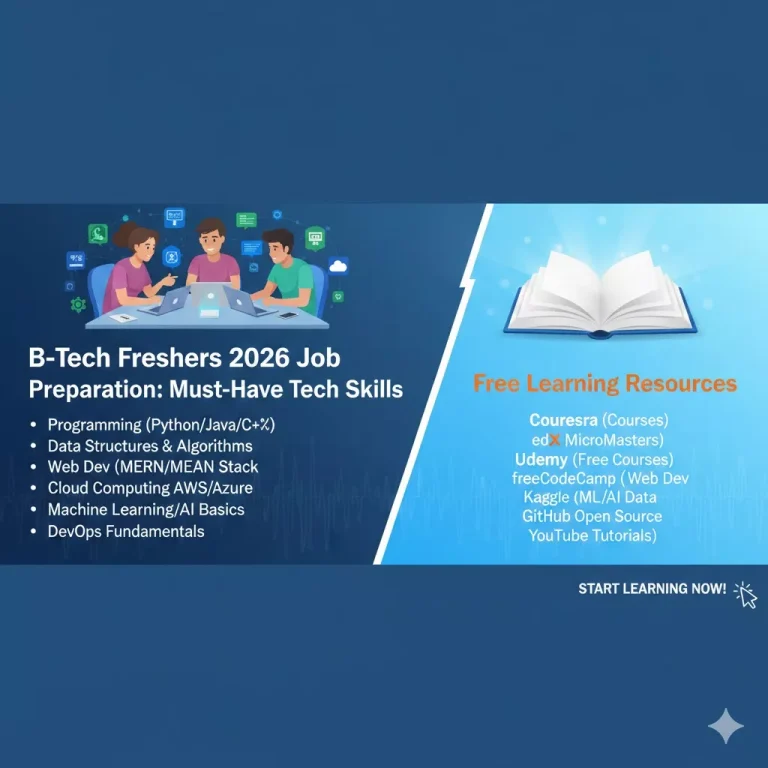
Quality learning resources accelerate your preparation. Use platforms like Coursera, Udemy, and freeCodeCamp for structured courses. YouTube channels offer free tutorials on virtually every technology.
For coding practice, LeetCode, HackerRank, CodeChef, and GeeksforGeeks provide comprehensive problem sets. Participate in coding contests to test skills under pressure.
Join developer communities on Discord, Reddit, or LinkedIn to connect with peers, ask questions, and stay updated on industry trends. Learning with others maintains motivation and provides support.
Beyond Placement: Building a Sustainable Career
Landing your first job is just the beginning. Plan for long-term career growth by continuing to learn and adapting to industry changes. Set goals for skill development and track your progress.
Seek mentorship from senior developers. Their guidance helps navigate career decisions and avoid common pitfalls. Build professional networks that provide opportunities throughout your career.
Stay curious and passionate about technology. The best software developers genuinely enjoy solving problems and building solutions. Cultivate this mindset from the start.
Take Action Today: Your Journey Starts Now
The difference between freshers who land top IT placements and those who struggle often comes down to preparation and timing. Start building skills today rather than waiting for the perfect moment.
Choose one skill from this guide and commit to learning it this week. Take the first step toward building your portfolio. Join one coding platform and solve your first problem.
Remember that every expert was once a beginner. Consistent effort over months transforms freshers into skilled professionals companies eagerly hire. Your 2026 success story begins with the actions you take today.
Ready to Launch Your Software Career?
At CloudSoft Solutions, we understand what it takes to succeed in today’s competitive IT industry. Whether you need guidance on skill development, career planning, or want to explore opportunities with a forward-thinking technology partner, we’re here to help.
Visit www.cloudsoftsol.com to learn more about our services, explore career opportunities, and connect with a team passionate about nurturing the next generation of software talent.
Your future in software starts here. Let’s build it together.